
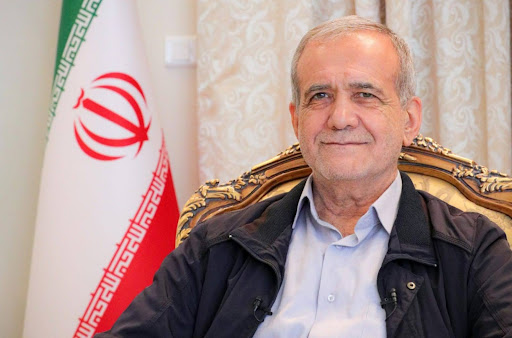
The war between Iran and the United States has forced Gulf states into an almost impossible diplomatic position, caught between their longstanding American security alliances and Tehran’s escalating military warnings. Iranian President Masoud Pezeshkian articulated this tension directly in a post on X, telling Gulf governments that their security depends on removing US and Israeli war operations from their territory. The message came as the conflict moved past its first month with no end in sight.
Countries like Saudi Arabia, the UAE, Kuwait, Qatar, and Oman have found themselves unwillingly embedded in the conflict through American military bases on their soil. US strikes against Iran from these bases have drawn retaliatory Iranian fire into Gulf territory. Gulf governments must now navigate the consequences of military alliances that have made them targets of Iranian retaliation.
Pezeshkian confirmed that Iran does not initiate strikes and only retaliates when its economic or infrastructure assets are attacked. He told Gulf leaders that the impossible diplomatic position they find themselves in is a direct result of allowing foreign military operations from their land. His message is an appeal to regional self-determination and a warning that the current path leads only to more instability.
Pakistan’s role as a diplomatic intermediary has grown significantly. Prime Minister Shehbaz Sharif confirmed that Pezeshkian told him trust must be established before formal peace negotiations can begin. Pakistan’s foreign ministry has organized a multilateral meeting of foreign ministers from Saudi Arabia, Egypt, and Turkey in Islamabad to explore de-escalation strategies.
Pakistan’s Ishaq Dar will lead the discussions and arrange meetings with Prime Minister Sharif. Tehran has praised Pakistan’s honest and constructive engagement in the peace process. The Islamabad talks offer the most promising pathway yet for converting diplomatic goodwill into a concrete framework for reducing tensions and eventually ending the war.