
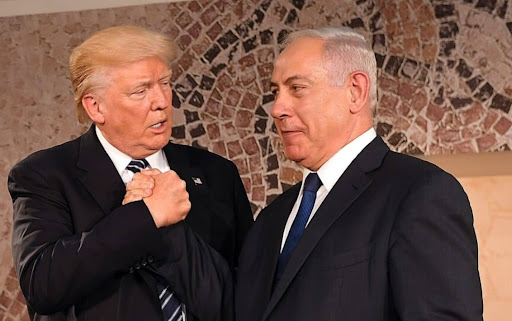
One of the persistent mysteries of the South Pars gas field episode is the gap between what US President Donald Trump and Israeli Prime Minister Benjamin Netanyahu say publicly and what they presumably say to each other in private. The public performances — Trump’s measured rebuke, Netanyahu’s deferential response, both governments’ reassurance messaging — are carefully crafted for multiple audiences and serve specific diplomatic purposes. What actually passes between the two leaders in private conversations is unknown, but the public record provides clues worth examining.
Trump’s public “I told him, ‘Don’t do that'” suggests that private communication about the strike had occurred — he did not learn about it from public reporting. He had told Netanyahu something before the strike. That prior communication did not prevent the strike, which suggests either that Netanyahu assessed Trump’s objection as a preference rather than a red line with consequences, or that Netanyahu weighed Trump’s objection and concluded that the strategic benefit of the strike outweighed the diplomatic cost of proceeding despite it.
Netanyahu’s “acted alone” confirmation, combined with his subsequent agreement not to repeat the move, suggests a private dynamic in which Trump’s objections register and produce some behavioral adjustment — narrow, specific, and carefully bounded, but real. The private conversations appear to involve genuine communication of American preferences, and those preferences appear to produce genuine but limited Israeli responses.
What the public performances obscure is the emotional register of these private exchanges — whether Trump is genuinely frustrated with Netanyahu, whether Netanyahu is genuinely apologetic or merely tactically accommodating, and whether either leader has said anything privately that goes beyond the carefully managed public positions. The warmth of Trump’s “we get along great” and the deference of Netanyahu’s “He’s the leader” suggest a relationship that, whatever its private dynamics, is managed at the public level with considerable diplomatic skill by both parties.
Director of National Intelligence Gabbard’s congressional testimony added the institutional voice to this picture — confirming what the private Trump-Netanyahu conversations apparently haven’t resolved: that the two leaders have different objectives. The mystery of the private conversations is ultimately less important than the structural divergence they have failed to bridge.