
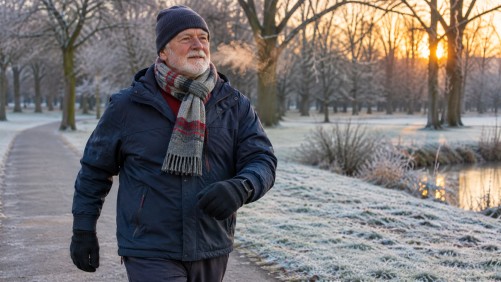
As winter settles in, colder temperatures pose additional challenges for heart health, particularly for individuals with existing cardiovascular conditions. The combination of cold weather and early morning biological changes can significantly increase the risk of heart-related emergencies.
When exposed to cold weather, the body undergoes vasoconstriction, where blood vessels narrow to conserve heat. This process raises blood pressure and makes the heart work harder to circulate blood. Additionally, cold temperatures can trigger the body’s stress response, elevating heart rate and potentially increasing the risk of complications, especially for those with conditions like high blood pressure and coronary artery disease.
The early morning hours demand extra caution due to natural bodily changes, such as rising blood pressure and heart rate, paired with increased activity of stress hormones like cortisol. Combined with cold exposure, these factors can place extra strain on the heart. It’s crucial for individuals with heart conditions to ease into their morning routines, avoiding sudden physical exertion or abrupt exposure to cold environments.
Certain groups are at heightened risk during winter, including older adults with health issues, individuals with high blood pressure or diabetes, those with a history of heart attacks or strokes, and patients who have undergone heart surgery or have heart failure. Current smokers and those with cardiovascular risk factors should also take precautions.
Mitigating these risks involves simple lifestyle adjustments. Gradually waking up, dressing warmly, choosing appropriate times for exercise, and monitoring blood pressure are practical steps. Maintaining a heart-friendly diet and adhering to prescribed medications are also vital. Recognizing heart attack symptoms, such as chest pain, unexplained breathlessness, and sudden dizziness, is essential for timely medical intervention.
While cold weather doesn’t inherently lead to heart problems, it does heighten cardiovascular stress. By maintaining a warm environment, following medical advice, and being vigilant about heart health, individuals can better protect themselves during the colder months.