
France has admitted to its role in a “war” in Cameroon that was fought on two fronts: first by French colonial authorities before 1960, and then with French support for the repressive independent state afterward. This acknowledgment highlights the prolonged and deep-seated nature of French involvement in the country’s violent political history.
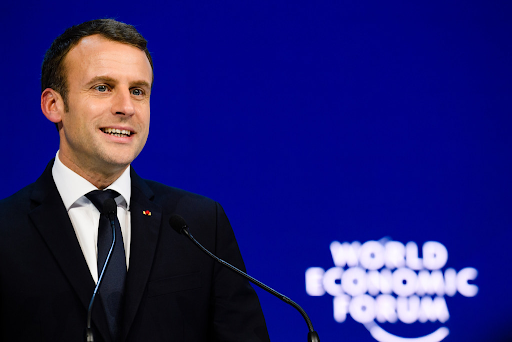
President Emmanuel Macron’s admission, contained in a letter to President Paul Biya, confirms the findings of a joint historical commission. The commission established that French military forces committed acts of violent repression and then continued to aid the government of Ahmadou Ahidjo in its violent consolidation of power, which lasted until at least 1971.
This dual role—as direct colonizer and post-colonial patron of a repressive regime—is a critical aspect of the history. It explains why the violence did not end with independence in 1960 and why tens of thousands of Cameroonians lost their lives in the struggle for true sovereignty.
While the French state has now accepted responsibility for these events, it has not apologized for them. This leaves a significant gap in the process of reconciliation. For Cameroon, confronting this complete history is crucial for understanding the foundations of its own state and for building a more democratic future.
A “War” on Two Fronts: French Repression in Cameroon Before and After Independence
Picture Credit: www.flickr.com
56