
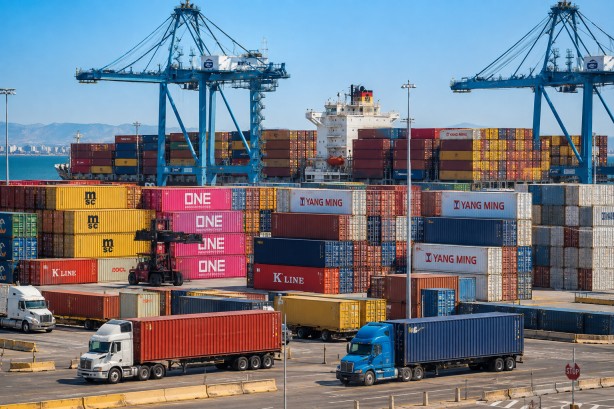
The United States government has recently issued refunds totaling approximately $100 billion in tariffs that were collected under the trade measures implemented by former President Donald Trump. This move followed a ruling by the Supreme Court, which determined that a substantial portion of these tariffs was unlawful. The refunded amount represents around 60% of the $165 billion that had been collected before the court’s decision. These tariffs were originally imposed on imported goods as a key component of Trump’s trade policy, which aimed to enhance domestic manufacturing, secure more favorable trade agreements, and boost government revenue.
In light of the Supreme Court’s ruling, the administration has been returning the collected duties to the companies that were affected. Despite these refunds, the US federal budget deficit has continued its upward trajectory, reaching $1.37 trillion in the first nine months of the fiscal year. This growing deficit poses ongoing challenges for the federal government’s financial management.
Amidst these developments, the Trump administration has recently introduced another round of tariffs. These new tariffs range from 10% to 12.5% and affect imports from over 80 countries, including economic powerhouses and key trade partners such as India, China, the United Kingdom, Canada, Mexico, Australia, and the European Union. The administration has justified these measures by citing concerns over products associated with forced labor, emphasizing the need to address human rights issues in global trade.
The latest tariffs have not gone unchallenged. A coalition of 25 US states has launched legal actions to block these new measures, arguing that they unlawfully seek to replace tariffs previously nullified by the Supreme Court. The states involved in this legal battle contend that the administration’s actions are not in compliance with the court’s previous decision, thereby sparking fresh legal debates over the scope and legality of trade measures.
As these events continue to unfold, the legal and economic implications of the tariffs remain a focal point of discussion within the US. The outcome of the ongoing legal challenges will likely shape the future of trade policy and economic relations with key international partners. In the meantime, businesses and policymakers await further clarity on the evolving trade landscape and its impact on the domestic and global economy.