
International legal frameworks exist for prosecuting war crimes and violations of humanitarian law, with Ukraine and international partners documenting Russian violations for potential accountability. However, enforcement mechanisms face severe implementation challenges when accused parties possess significant military power and UN Security Council veto authority. The accountability gap creates risks that extensive documentation produces no meaningful consequences, potentially encouraging future violations when perpetrators calculate they can avoid punishment.
Ukrainian authorities and international organizations have systematically documented thousands of potential war crimes including unlawful attacks on civilians, torture, sexual violence, forced deportations, and other violations. The extensive documentation aims to support future prosecutions while creating contemporaneous records preventing later denial or historical revisionism. However, translating documentation into actual accountability requires judicial mechanisms capable of compelling perpetrator cooperation that currently don’t exist for senior Russian officials.
The International Criminal Court issued arrest warrant for President Putin, representing symbolic accountability gesture demonstrating legal community’s assessment of criminal responsibility. However, practical enforcement proves impossible without cooperation from states where Putin might travel or Russian government willing to surrender him. The ICC lacks independent enforcement capability, depending on member state cooperation that proves insufficient when dealing with major power leaders.
Russian domestic legal systems provide no accountability prospects for violations occurring during military operations that Russian government describes as legitimate defense of national interests. The absence of domestic accountability combined with international enforcement limitations creates impunity enabling continued violations without meaningful consequences. The accountability gap affects both immediate deterrence of violations and longer-term precedents about whether international humanitarian law can be effectively enforced against major powers.
Thursday’s coalition video conference should address accountability dimensions and requirements for future war crimes proceedings. President Zelenskyy has emphasized accountability importance for achieving justice and deterring future violations. However, as extensive documentation accumulates without meaningful enforcement prospects against senior officials, the accountability dimension illustrates fundamental challenges in international legal systems that lack independent enforcement capabilities against powerful states refusing cooperation with judicial mechanisms designed to punish mass atrocities and systematic humanitarian law violations.
Legal Frameworks for War Crimes Accountability Face Implementation Challenges
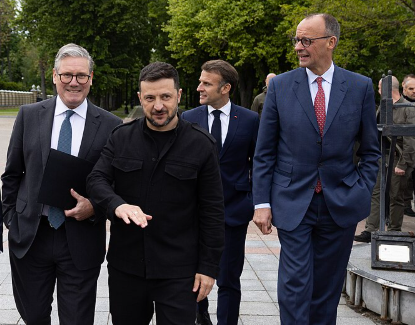
Picture credit: www.commons.wikimedia.org
10