
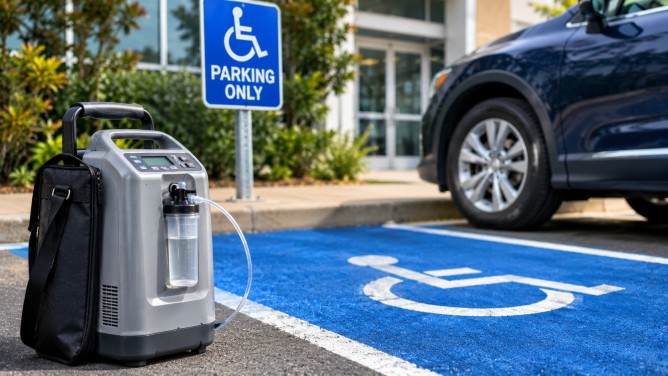
HandicapMD has released a comprehensive guide on how the use of portable oxygen therapy may affect eligibility for handicap parking placards. The guide is designed to assist individuals in understanding the medical assessment process and the application procedures required for obtaining these parking credentials. It emphasizes that while portable oxygen equipment may be a component in determining eligibility, its use alone does not automatically qualify someone for a handicap parking placard.
The resource, titled the portable oxygen handicap parking placard eligibility guide, provides an in-depth look at how clinicians evaluate applications. It highlights the importance of accurately describing one’s prescribed oxygen routine, mobility limitations, and the expected course of treatment. The guide also underscores the necessity of distinguishing between clinical certification and the administrative steps mandated by government offices, with different states having specific requirements for parking credential applications.
According to the guide, it is crucial for applicants to describe their use of portable oxygen accurately, detailing whether it is needed during outings, continuously, or under specific conditions. It notes that different jurisdictions have varying requirements, and what applies in one state, such as New York or Washington, may not be applicable in another.
Applicants are encouraged to explain the details of their typical journeys, including the support they use and any assistance needed. The guide advises against altering medical treatment or undertaking strenuous activities to demonstrate a limitation, as this can be misleading and potentially harmful. Medical documents such as prescriptions, clinical notes, and lung test results can support the application.
The expected duration of an oxygen requirement is another critical factor considered during the application process. The guide advises discussing with a clinician whether the oxygen therapy is temporary or for a long-term condition, as this impacts whether a temporary or permanent parking credential is appropriate.
HandicapMD’s guide also addresses the practicalities of using accessible parking, noting that having a placard does not guarantee a destination will have suitable facilities for oxygen users. It encourages individuals to seek clarification from relevant parties, such as healthcare teams or government offices, to ensure they meet all necessary requirements.
About the portable oxygen resource
HandicapMD’s resource explains prescribed portable oxygen, mobility descriptions, relevant records, and state application questions in a practical sequence. The company supplies independent evaluation information; an authorized clinician determines whether certification is supportable, and the responsible government office issues the parking credential. Readers can use the guide to organize a discussion without assuming a diagnosis, prescription, or device guarantees approval.
The starting point is the current routine and the current form. Identify when oxygen is prescribed, what happens on ordinary outings, and which existing records explain that picture. Ask the evaluator what else is needed and keep treatment decisions with the managing team. The aim is a clear, individual assessment followed by an application that meets the issuing program’s requirements.
About HandicapMD
HandicapMD provides online medical evaluations related to disability parking certification. When supported by the clinical assessment and applicable requirements, a licensed clinician completes the medical portion of the relevant application. The company’s educational resources explain state processes and help residents prepare questions. Government agencies retain responsibility for reviewing applications and issuing parking credentials.
https://www.handicapmd.com/
Crystal Dennon
HandicapMD
[email protected]
Legal Disclaimer:
The information contained in this article has been provided by independent third-party contributors, clients, or content partners. We do not independently verify the accuracy, completeness, legality, ownership, licensing, or reliability of submitted content, including text, images, videos, trademarks, or other media materials. The submitting party is solely responsible for ensuring that all content, including images and media assets, complies with applicable copyright, trademark, licensing, and intellectual property laws. We disclaim liability for any unauthorized use of copyrighted or proprietary materials by third parties. If you believe that any content published on this platform infringes your intellectual property rights, kindly contact the author above for prompt review and resolution.