
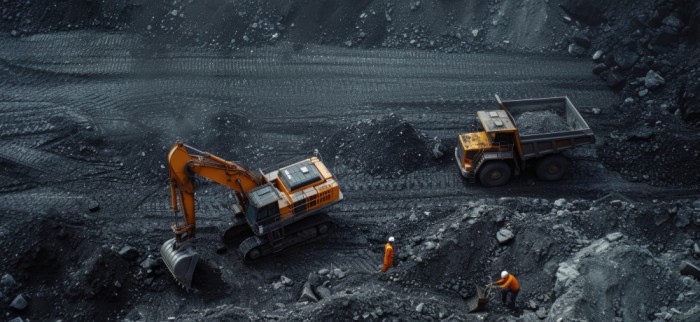
President Donald Trump has unveiled a significant federal initiative worth $700 million to bolster the coal industry, utilizing the Defense Production Act. This law, originating from the Cold War era, is traditionally used for national emergencies. The funding is set to be allocated across more than a dozen coal-fired power plants in various states. The objective is to maintain operational facilities, reactivate those that are dormant, and develop new infrastructure to support coal production and exports. As part of these efforts, the administration intends to construct two new coal power plants in Alaska and West Virginia. Additionally, a coal export terminal is planned, and an existing facility in Maryland will be reopened.
The initiative aims to stabilize energy prices and fortify the domestic energy supply in response to rising demand. Advocates of the policy argue that it will enhance energy reliability and cater to the increasing electricity needs, particularly from industrial sectors. The program will extend its support to coal operations across states such as West Virginia, Kentucky, North Carolina, Indiana, Tennessee, Arkansas, Arizona, Oklahoma, North Dakota, and Wisconsin. This move is part of a broader strategy to rejuvenate the coal sector, which has seen a significant decline over the years due to competition from natural gas and renewable energy sources.
However, the announcement has drawn criticism from environmental groups, who highlight that coal remains a major contributor to air pollution and greenhouse gas emissions. They caution that continued investment in coal could exacerbate health and climate issues. Experts also point out that coal has become less competitive compared to more affordable energy alternatives like natural gas and renewables.
Despite these concerns, representatives from the coal industry have welcomed the initiative. They assert that increased coal production could play a crucial role in supporting grid stability amidst the growing electricity demand. This perspective underscores the ongoing debate over energy policy and the future of coal in the context of a changing energy landscape.