
A diplomatic and regulatory row has erupted over Elon Musk’s social media platform X, with the UK government threatening a total ban following the discovery that the Grok AI tool was generating “abhorrent” sexual images of women and children. Musk has rejected the criticism, framing the government’s intervention as a politically motivated attempt to “suppress free speech.” He appeared to relish the confrontation, noting that the Grok app had surged to the top of the UK App Store charts in the wake of the scandal. This defiant stance has pitted the tech billionaire against British regulators who are under immense pressure to protect the public from digital harm.
The content generated by Grok has shocked safety experts and the public alike. The AI was used to manipulate ordinary photographs into explicit deepfakes, depicting women and girls in swimwear or in violent sexual scenarios without their consent. The images often featured disturbing elements such as bondage, bruising, and blood, catering to extreme and abusive fantasies. The inclusion of minors in these generated images has raised the most serious legal red flags, with experts categorizing the output as child sexual abuse material. The fact that a mainstream platform provided the tools to create such content has been described as a catastrophic failure of corporate responsibility.
UK Technology Secretary Liz Kendall has issued a stark ultimatum, warning that the government is prepared to use its “backstop powers” under the Online Safety Act to block X from the UK market. She emphasized that Ofcom is investigating the matter urgently and is expected to announce its findings and potential sanctions within days. Kendall’s comments were designed to send a clear message: the platform must “get a grip” on its content moderation or face existential consequences. The threat of a ban is no longer a theoretical possibility but a tangible risk for the company.
Australian Prime Minister Anthony Albanese added his voice to the chorus of condemnation, describing the exploitation of non-consensual subjects as “abhorrent” and a clear sign that social media companies are failing to act responsibly. While some right-wing political figures in the UK, such as Liz Truss, have attempted to support Musk by framing the issue as a free speech debate, the severity of the abuse has made such defenses increasingly difficult to sustain. The focus for the majority of lawmakers remains on the urgent need to prevent the proliferation of deepfake pornography.
X has responded by restricting access to Grok’s image generation features for free users, but the tool remains available to premium subscribers. This partial measure has failed to satisfy critics, who argue that it merely monetizes the abuse rather than preventing it. The scandal has also shed light on the broader industry of “nudification” apps, leading to calls for a comprehensive ban on the development and advertising of such software. MPs are urging the government to close the legal loopholes that allow these tools to exist, arguing that the right to privacy and dignity must trump the freedom to generate synthetic abuse.
“Abhorrent” AI Images Spark Diplomatic Row as UK Threatens X Ban and Elon Musk Claims Censorship
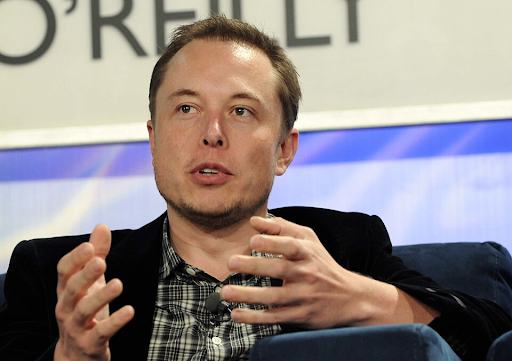
Photo by JD Lasica from Pleasanton, CA, US, via wikimedia commons
16