
Domestic political calculations within the United States may significantly influence whether President Trump proceeds with escalating pressure on Greenland or moderates his approach, as congressional opposition, public opinion, and potential political costs from alienating allies could theoretically constrain executive action even though foreign policy remains primarily presidential prerogative. The political viability of aggressive Greenland policies depends partly on whether they generate domestic support or backlash.
Some American constituencies might support Trump’s Greenland campaign if framed as protecting national security interests and reducing reliance on Chinese rare earth supplies. Strategic hawks concerned about Arctic competition with Russia and China could view Greenland control as necessary for great power competition. Economic nationalists might embrace resource nationalism that prioritizes securing mineral supplies. These potential support bases could politically enable Trump’s aggressive approach.
However, other constituencies including traditional foreign policy establishments, NATO supporters, and internationalists would likely oppose policies that alienate allies and violate sovereignty principles. Congressional oversight of military action could theoretically create constraints if members assert War Powers Resolution authorities, though presidential foreign policy prerogatives are substantial. Bipartisan support for NATO in Congress might generate political costs if Trump’s actions visibly damage the alliance.
The Venezuelan precedent where Trump seized President Nicolas Maduro without apparent congressional authorization suggests Trump may not view domestic political constraints as binding on foreign policy decisions. However, military action against a NATO ally would be far more controversial than intervention in Venezuela, potentially generating congressional and public reactions that Venezuelan action did not. The political calculations remain uncertain.
Danish Prime Minister Mette Frederiksen warned that any US military action would destroy NATO. Greenland Prime Minister Jens-Frederik Nielsen demanded Trump cease his pressure campaign. The domestic American political environment will partly determine whether Trump faces meaningful constraints on Greenland policies or whether he can proceed with escalating pressure despite international opposition. Congressional willingness to challenge executive foreign policy authority, public opinion reactions, and broader political calculations about alliance relationships will influence whether domestic politics constrains or enables Trump’s territorial ambitions toward the Arctic territory.
Domestic Political Calculations in US Policy
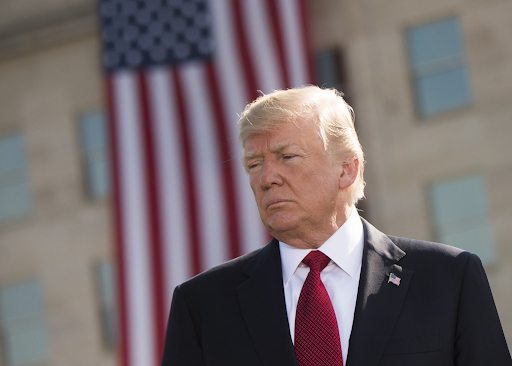
Picture Credit: www.flickr.com
19