
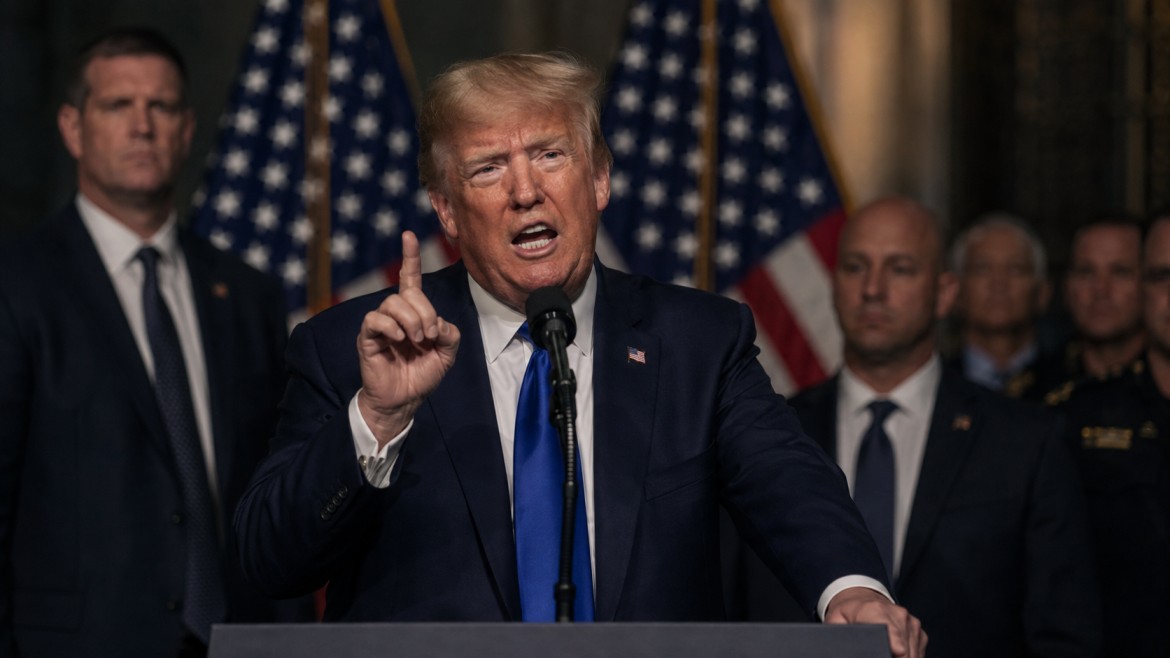
Recent actions by the Trump administration, including the dissemination of contested election-related documents and the revival of claims about voting by noncitizens, have sparked apprehension among voting experts. These developments raise concerns about potential increased federal intervention in the upcoming November midterm elections. President Trump has consistently asserted that U.S. elections are susceptible to foreign interference and continues to propagate unsubstantiated allegations that the 2020 presidential election was fraudulent. In a public statement, former adviser Steve Bannon suggested the possibility of Trump declaring a national security emergency concerning the elections.
Despite these assertions, legal experts emphasize that declaring a national emergency would not circumvent the constitutional constraints on presidential authority over election management. Historically, no U.S. president has utilized emergency powers to assume control over elections, underscoring the significant legal hurdles such a move would entail.
In addition to these claims, the administration has unveiled declassified information pertaining to voting machines, foreign influence, and voter registration. Alongside this, they have promoted analyses regarding noncitizen voting that remain contested. Critics highlight that some of these analyses lack adequate methodological transparency, suggesting they could be leveraged to advocate for greater federal oversight over state-administered elections.
The White House has not dismissed the potential for emergency measures, while simultaneously advocating for legislation aimed at increasing federal participation in voter registration and electoral procedures. The dual approach reflects an ongoing strategy to bolster federal influence over election processes, drawing significant scrutiny and debate over the implications for state-run elections.